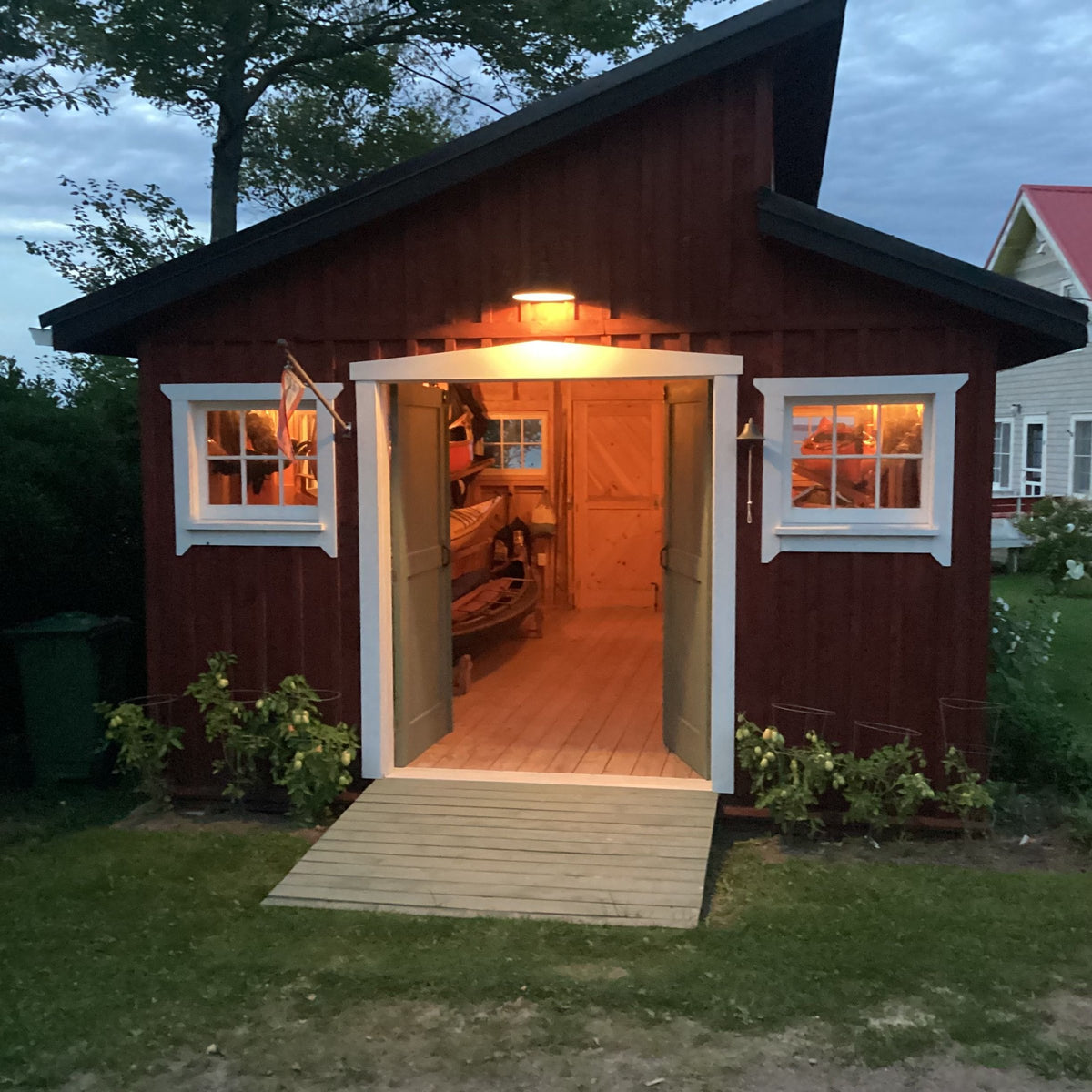
Malcolm Macartney spent years repainting his waterfront cottage in Nova Scotia. When he built a boat shed beside it, he chose finishes that soak into the wood instead of sitting on top of it.

Anyone who looks after an old wooden building by the water knows the routine: scrape, prime, paint, and do it all again a few seasons later. Malcolm Macartney had been, in his words, "a slave to constantly repainting the wooden exterior of our old waterfront cottage in Nova Scotia."
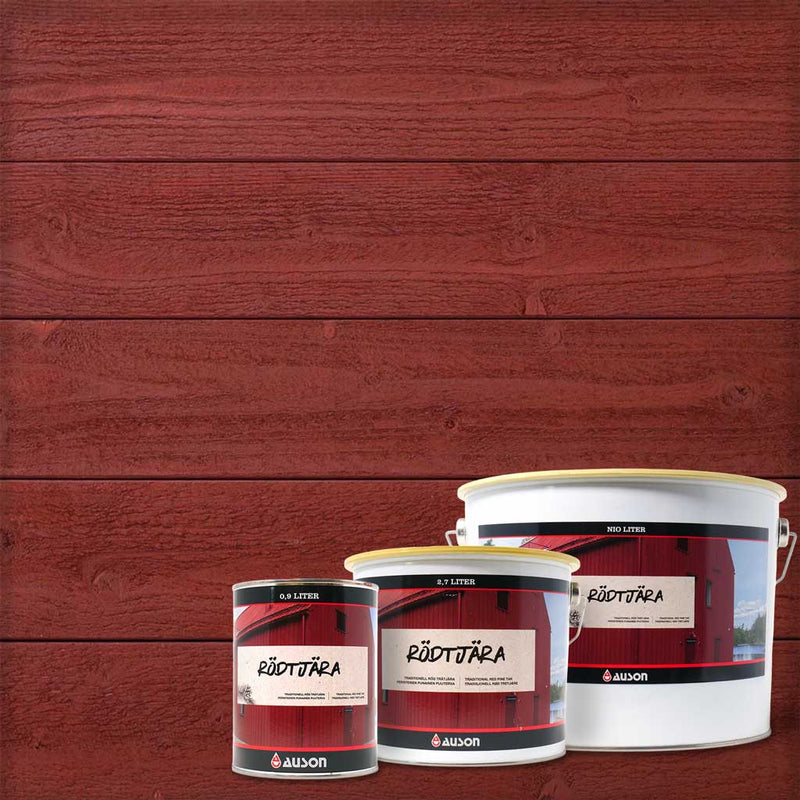
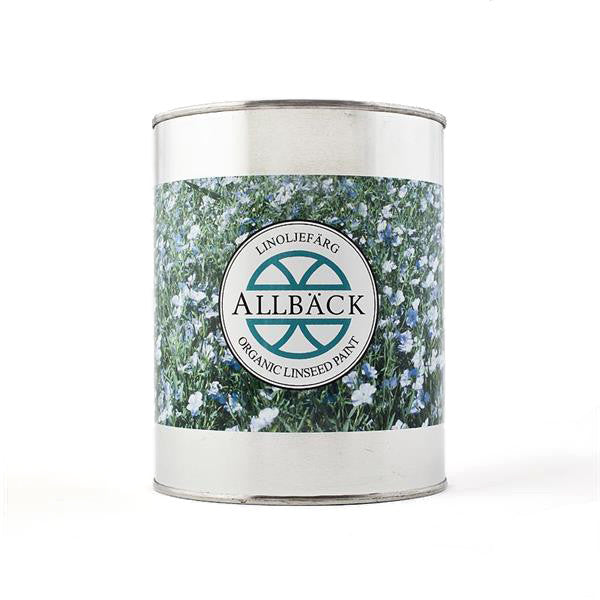
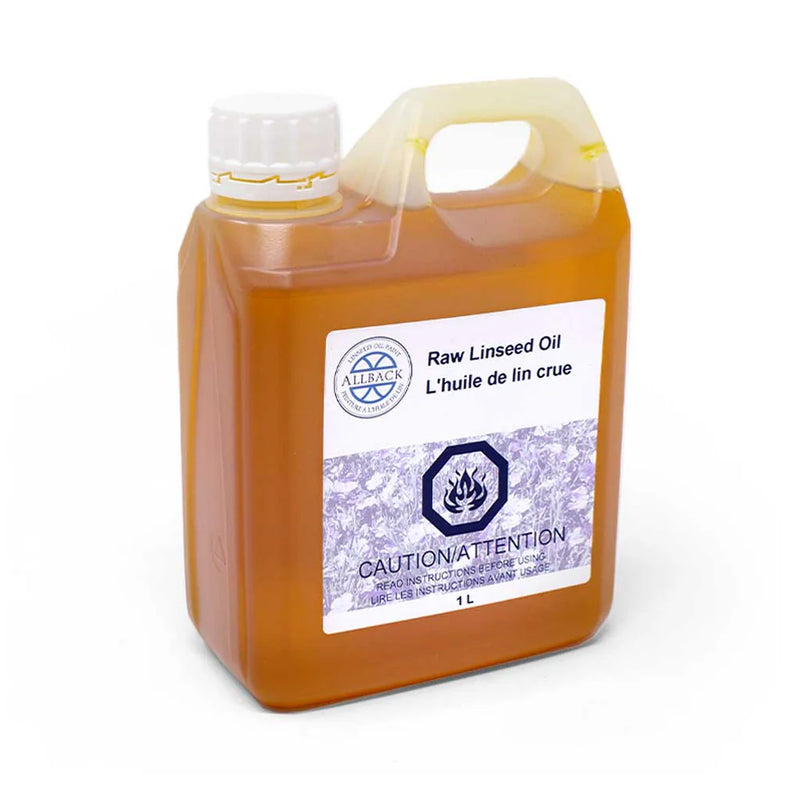
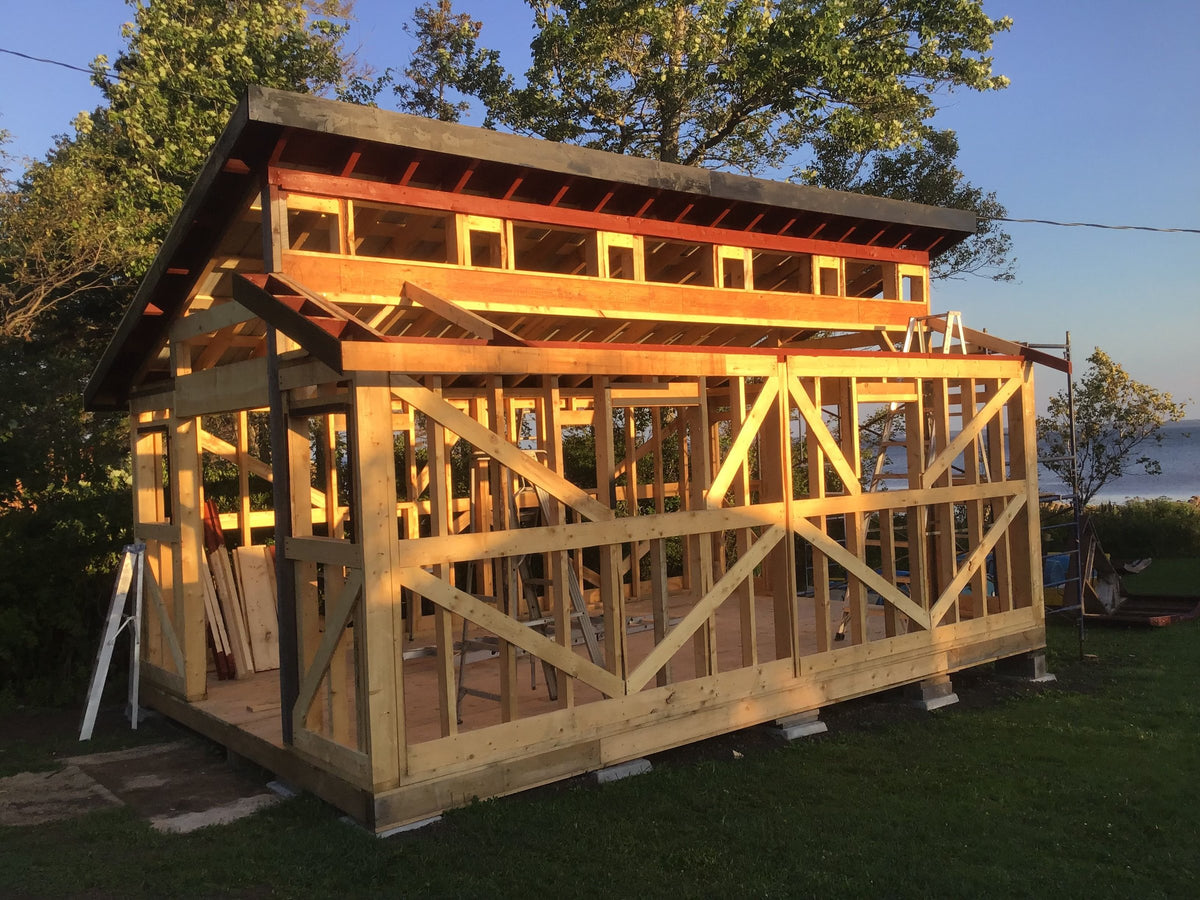
So when it came time to build a boat shed from rough lumber, he wanted the opposite. Red pine tar on the walls, Allbäck linseed oil paint on the trim, fascia and doors, and raw linseed oil alongside.
Here is how the shed came together.
The Walls
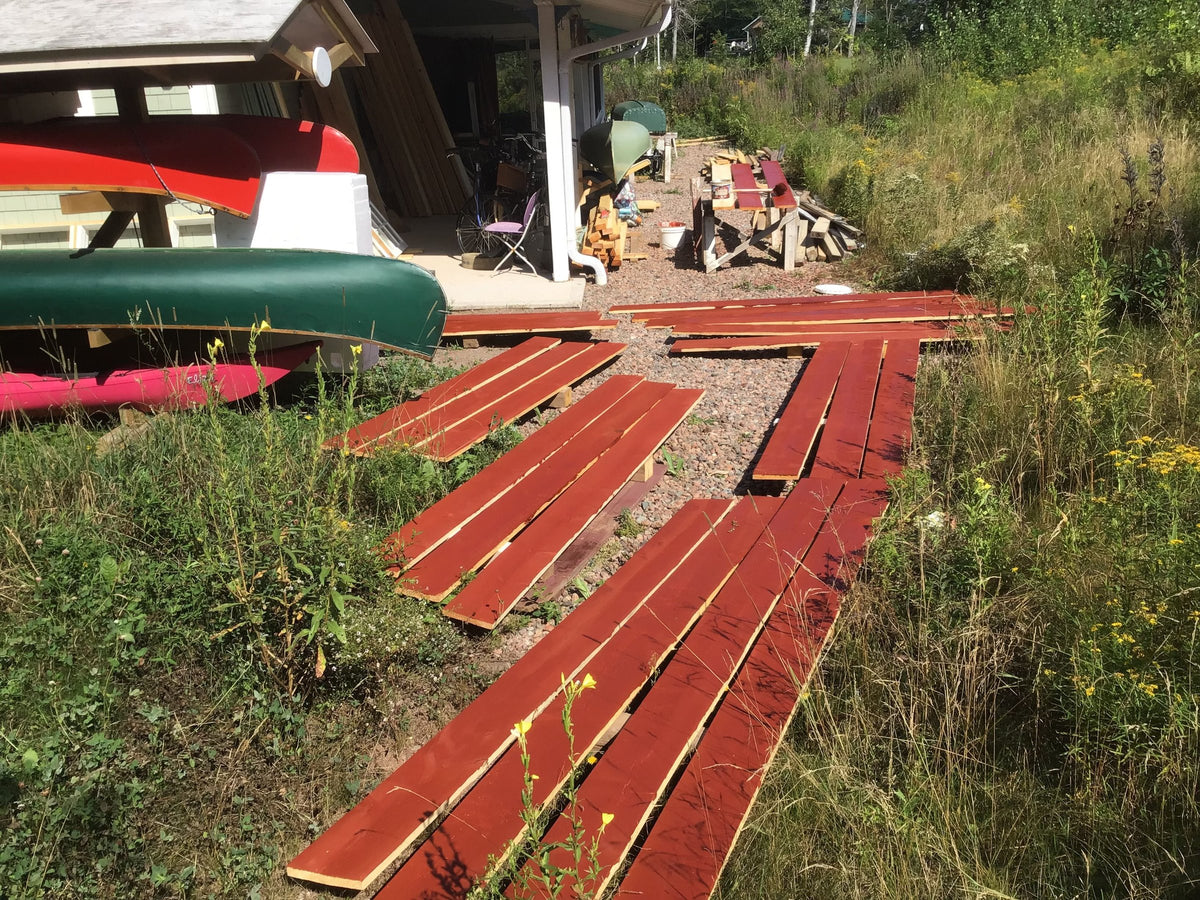
The walls are rough spruce planks, around a hundred of them, and every one was finished in red pine tar before it went up.
Malcolm heated the pine tar and applied it outdoors in full sun, on the hottest day of a Nova Scotia July. His tool of choice was not a paintbrush. He used a bristled curling broom to rub and grind the tar into the dry planks, and found it ideal for working the finish into rough boards.
Pine tar soaks into the wood rather than forming a skin on the surface, which is exactly why Malcolm chose it. As he put it: "Pine tar stain will never flake off."


The Trim and Doors
For the window trim, fascia and wooden doors, Malcolm used Allbäck linseed oil paint in black, white and green. His hope is that none of it will need any work in his lifetime.
The lesson he passes on is about drying time. He found the linseed oil paint took at least a week to dry, and that a freshly painted board left outside will pick up dust, dirt and leaves, "bits of everything that floats on the breeze."
His advice: "Keep it in a closed space until dry, or maybe use it in situ."
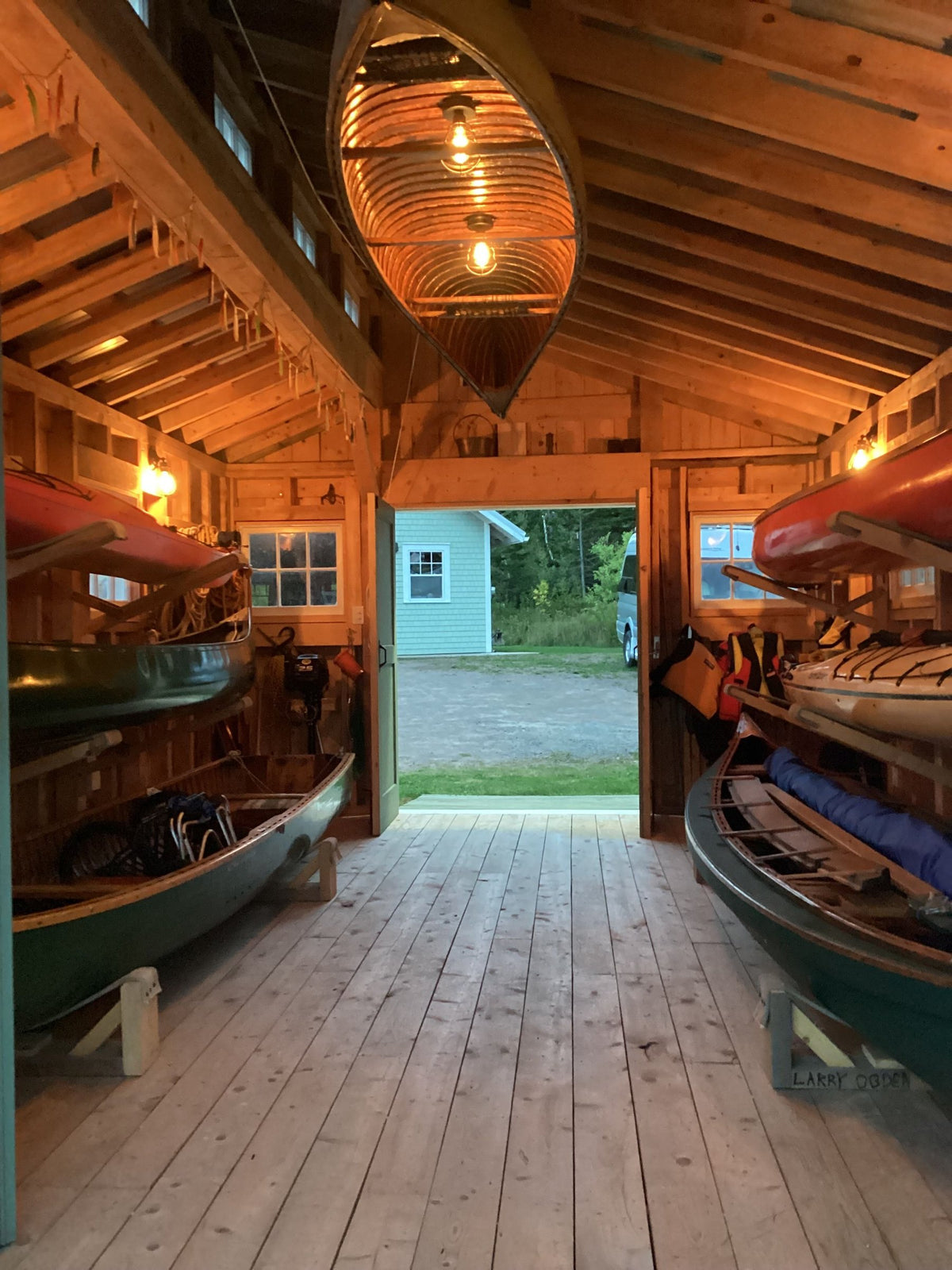
The pine tar is patient work too. Malcolm told us it takes "weeks if not months to fully dry", and the project left its mark on his workshop:
"All my power and hand tools have red stain on them as a reminder of this project."
Products Used in Malcolm's Project